Read Time: 7 minutes
Maximize Green Credits on Your Next Sustainable Rooftop Project
Introduction: How Rooftop Patios Can Boost Sustainability and Earn LEED Points
A rooftop patio isn’t just a stylish outdoor space—it can help your building go green. For architects, contractors, and installers, picking the right rooftop materials makes a big difference when trying to earn LEED (Leadership in Energy and Environmental Design) points.
This simple guide shows how smart choices in patio materials can raise your building’s sustainability and boost its LEED score.
1. What Is LEED and Why It Matters
LEED is a green building rating system used around the world. Created by the U.S. Green Building Council (USGBC), it awards points for smart, earth-friendly design and building practices.
The more points your project earns, the higher your certification level:
- Certified
- Silver
- Gold
- Platinum
Rooftop patios can help you earn several of these valuable points, especially when built with sustainable materials. Let’s dive into the relevant LEED categories and how rooftop patio material choices can help you earn valuable points.
2. How Rooftop Patios Help Earn LEED Points
Heat Island Reduction (Sustainable Sites) – Watch this video that explains what urban heat island means
City rooftops get very hot contributing to the “urban heat island” effect, raising local temperatures and energy costs. LEED rewards buildings that reduce this heat.
- High-SRI Surfaces: Use patio pavers or tiles that reflect sunlight. A high Solar Reflectance Index (SRI) of 78 or more is ideal.
- Green Roofs and Planters: Plants and grass help cool the rooftop and clean the air.
Smart Material Choices (Materials & Resources)
Choosing the right materials helps the environment and earns you LEED points. Each of these material choices can contribute to LEED points under the Materials and Resources section.
- Recycled Materials: Use composite decking or pedestals made from recycled plastic. Choose a high percentage of post-consumer or post-industrial recycled materials.
- Fast-Growing Materials: Bamboo or cork grow quickly and work well for decking.
- Locally Sourced Materials: Reduce shipping emissions by buying nearby your project site whenever possible.
Managing Water Better (Water Efficiency)
Rooftops can help with water conservation too. Projects that integrate water-efficient strategies can earn points while creating a functional and attractive rooftop patio.
- Rainwater Collection: Add planters or green roofs that absorb rainfall and reduce runoff. Deeper soils (Intensive green roofs) retain even more water and support biodiversity.
- Slope-to-Drain Design: By controlling runoff quantity and quality, LEED credits can be earned under SS Credit: Rainwater Management.
- Prevent Water Pollution: Use non-toxic sealants and adhesives, install filter fabric to prevent debris from clogging drains, and include maintenance plans for routine inspections and cleaning.
Thinking Outside the Box (Innovation in Design)
Go beyond the basics to earn extra LEED points.
- Green Roof Modules: Easy-to-install trays that support plant growth and manage water.
- Reclaimed Materials: Use salvaged wood, brick, or metal to add character and sustainability.
- Smart Lighting: Choose LED or solar-powered lights that save energy and reduce light pollution.
Local Focus (Regional Priority Credits)
LEED gives bonus points for tackling local environmental issues. For example:
- In rainy regions: Use materials that manage stormwater well.
- In hot areas: Focus on heat-reducing designs.
Always check your local LEED priority list for guidance.
3. Top Rooftop Patio Materials for LEED
Here are some great material choices that can help you earn points:
- High-SRI Concrete Pavers: Tough, highly reflective, and perfect for reducing heat
- Light Colored Porcelain or Ceramic Tiles: Easy to clean and available in light colors with high SRI values
- Composite Decking: Often made from recycled materials, resistant to weathering, and stylish
- Green Roof Systems and Planters: Living plants that offer beauty and environmental benefits
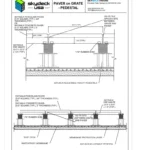
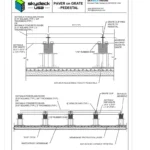
- Adjustable Pedestals: Many adjustable pedestal systems are made of recycled content and are fully recyclable.
Tip: When specifying materials, always ask suppliers for documents showing recycled content or SRI values.
4. Simple Tips to Earn More LEED Points
- Use the latest LEED version (v4 or v4.1) for rules and point details
- Plan with suppliers early to find products that meet LEED standards
- Keep records of all materials, receipts, and certifications
- Pick long-lasting materials that require little care over time
Conclusion: Building Smarter Rooftops That Earn LEED Credits and Create Greener Cities
Rooftop patios can do more than look nice, they can help your building earn a higher LEED certification. Whether you’re an architect designing the space or a contractor choosing materials, your decisions matter.
Use light-colored, recycled, or renewable materials. Choose local products. Add water-saving and energy-smart features. With each small moves, points add up and lead to big LEED wins. The beautiful rooftop patio not only becomes one of the buildings best amenities, but also contributes to a cleaner, greener future.
Key Takeaways Summary: Simple Steps to Maximize LEED Points with Rooftop Patio Design
- Pick reflective materials to reduce rooftop heat
- Choose recycled, local, and renewable products
- Add water-smart and energy-efficient features
- Always document your materials and design choices
- Rooftop patios are key in reaching LEED goals
FAQs: Common Questions About Earning LEED Points with Rooftop Patios and Materials
Q1: What’s the easiest way to earn LEED points on a rooftop patio?
Use high-SRI pavers and pedestals or decking made of recycled materials to reduce heat and support sustainability.
Q2: Is a full green roof required to get LEED points?
No. Even partial green systems or vegetated planters can help earn points.
Q3: Why do local materials matter in LEED?
They lower emissions from transport and may qualify for extra points.
Q4: Can patio lights earn LEED points?
Yes, if they’re solar-powered or energy-efficient, they support Innovation in Design.
Q5: What documents should I keep for LEED?
Keep receipts, product data sheets, and sustainability certifications.