The Evolution of Multi-Functional Rooftops
Rooftops are no longer single-purpose spaces. Today’s projects demand a combination of aesthetics, performance, and environmental function—all within the same footprint.
Architects are blending:
- Hardscape gathering areas
- Softscape recreational zones
- Vegetated systems for sustainability
The challenge isn’t choosing materials—it’s making them work together without creating complexity, cost overruns, or design compromises.
This is exactly where the plug-and-play roof system changes the game.
What a Plug-and-Play Roof System Really Means
A plug-and-play roof system is built around a single, unified structural grid that allows multiple surface types to integrate seamlessly.
Instead of designing separate assemblies for turf, pavers, and green roofs, everything connects to one coordinated pedestal system. Each surface becomes modular—installed, removed, or replaced without affecting the rest of the rooftop.
The result:
- Faster installs
- Cleaner transitions
- Less coordination risk
- Long-term flexibility
But most systems claiming flexibility don’t actually deliver it.
Why Most Rooftop Systems Fall Short
In practice, most manufacturers focus on one or two surface types and are unable to provide a complete system that gives architects the flexibility to achieve their full design vision.
That limitation creates real problems on projects:
- Designers are forced to compromise on materials
- Contractors must coordinate multiple systems
- Elevations don’t align cleanly between surfaces
- Responsibility gets split across vendors
Even worse, combining systems often introduces:
- Drainage conflicts
- Structural inconsistencies
- Installation inefficiencies
The reality is simple:
very few companies offer a truly integrated rooftop system that supports turf, porcelain, concrete or wood pavers, and green roof assemblies within one unified structure.
The Unified Grid: Engineering the Multi-Surface Foundation
At the core of a successful plug-and-play roof system is a single engineered grid designed to support multiple materials simultaneously.
Universal Pedestal Support
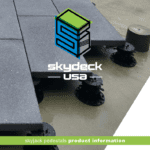
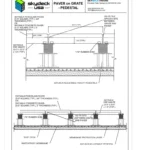
A pedestal system like Skydeck’s allows installers to:
- Correct for uneven or sloped substrates
- Maintain consistent finished elevations
- Support different surface types without separate framing systems
This eliminates the need for multiple leveling strategies.
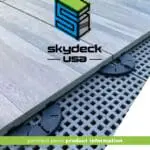
Modular Grid Framework
The grid acts as a universal platform that accepts:
- Turf systems
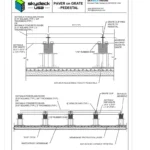
- Paver systems
- Green roof trays
Each component fits within the same layout, creating a clean, coordinated design.
Load Distribution Across Materials
Different surfaces create different structural demands:
- Pavers introduce concentrated dead loads
- Green roofs introduce saturated soil weight
- Turf systems are relatively lightweight but require drainage space
A properly engineered grid distributes these loads efficiently without overcomplicating the design.
Integrating Turf, Pavers, and Green Roof Systems
A true plug-and-play roof system doesn’t just allow multiple materials—it integrates them seamlessly.
Turf Integration
Turf systems benefit from pedestal-supported installations:
- Flush transitions with adjacent hardscape
- Open void space below for rapid drainage
- Clean zoning between recreational and circulation areas
This makes turf ideal for flexible-use spaces.
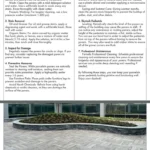
Paver Integration
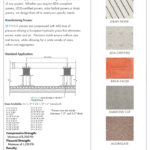
Pavers remain essential for durability and structure.
Within a unified grid, architects can use:
- Porcelain pavers for modern design
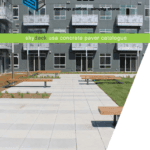
- Concrete pavers for value-driven projects
- Natural stone for high-end applications
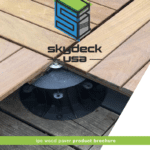
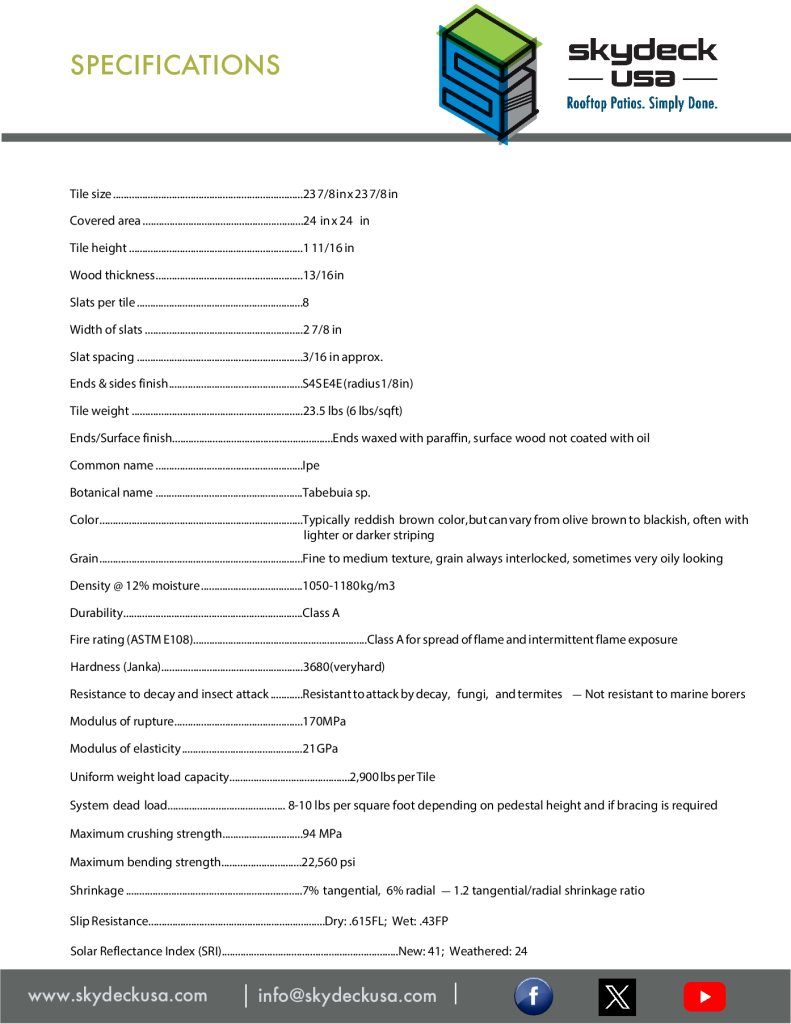
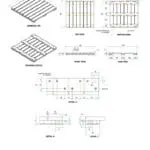
- Ipe wood deck tiles for warm, natural wood decking aesthetics
Because everything shares the same elevation system, transitions are precise and consistent. Integrated spacing and compatibility with wind uplift solutions ensure long-term performance.
Green Roof Integration
Green roof systems introduce environmental performance into the design.
Tray-based systems allow:
- Pre-grown vegetation to integrate directly into the grid
- Simplified drainage and irrigation coordination
- Improved thermal performance and insulation
They also contribute to:
- Stormwater management
- Urban heat island reduction
- Sustainability certifications
Installation Advantages and Long-Term Flexibility
The biggest advantage of a plug-and-play roof system is how much simpler it makes both installation and future modifications.
One Grid, Multiple Trades
Instead of coordinating multiple systems, contractors work from one layout.
This reduces:
- Scheduling conflicts
- Installation errors
- Labor inefficiencies
It also speeds up project timelines significantly.
Modular Maintenance
Every surface component can be removed independently:
- Lift pavers for access
- Remove turf sections
- Swap out green roof plantings
This makes maintenance and repairs far more efficient.
Future-Proof Design
Rooftop needs change over time.
With a plug-and-play roof system, owners can:
- Replace turf with pavers
- Expand green roof areas
- Reconfigure layouts
- Access the roof below for maintenance and repair
—all without structural modifications.
Why SkyDeck USA Is One of the Only True Plug-and-Play Providers
Most manufacturers specialize in a narrow slice of the rooftop system.
Skydeck USA is built to support the entire system.
Skydeck is one of the few companies that provides:
- Concrete pavers
- Porcelain pavers
- Ipe wood tiles
- Turf systems
- Green roof assemblies
—all integrated into a single pedestal-supported grid.
This eliminates the need to:
- Combine multiple vendors
- Solve alignment issues between systems
- Coordinate incompatible installation methods
Instead, architects and contractors get one cohesive system designed to work together from the start.
Maximizing ROI with a Plug-and-Play Roof System
A properly designed plug-and-play roof system delivers value across every phase of a project.
It:
- Reduces labor through simplified installation
- Minimizes material waste with coordinated layouts
- Lowers maintenance costs through modular access
- Extends system lifespan through adaptability
For developers and building owners, this translates into higher long-term ROI with less risk.
Final Thoughts
As rooftop design becomes more complex, the systems supporting those designs must become simpler—not more fragmented.
The reality is that most manufacturers cannot deliver a fully integrated solution across all surface types. That gap creates unnecessary complexity, cost, and risk.
The plug-and-play roof system solves this by unifying turf, pavers, and green roof assemblies into one coordinated structure—giving architects complete design freedom without compromise.
Frequently Asked Questions About Plug-and-Play Roof Systems
What is a plug-and-play roof system?
A plug-and-play roof system uses a unified grid structure that allows multiple surface types—such as turf, pavers, and green roof modules—to be installed within the same framework.
Why can’t most manufacturers provide a full system?
Most manufacturers specialize in one or two surface types, which limits their ability to deliver a fully integrated rooftop system.
Can turf, pavers, and green roofs be installed together?
Yes, when supported by a properly engineered grid system, these surfaces can integrate seamlessly with consistent elevations and performance.
How does drainage work in a multi-surface rooftop?
Water flows through the open space beneath the grid system to roof drains, regardless of the surface material above.
Can surfaces be changed after installation?
Yes. One of the biggest advantages is the ability to swap materials without structural changes.
Are plug-and-play roof systems more efficient to install?
Yes. A single system reduces coordination between trades and simplifies installation.