Porcelain Pavers
Collections
Color Range
Sizes
Product Thickness
Our Videos
Product Sheets
Choosing Rooftop Porcelain Pavers
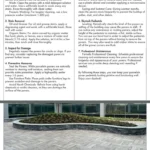
Porcelain earns its place on rooftop decks through design. No other surface offers the range: stone, wood, and concrete looks, large formats, and consistent color across series that concrete simply cannot match. For amenity decks where the aesthetic is the point, a hotel terrace, a residential amenity floor, a showcase rooftop, 2cm porcelain on pedestals delivers looks that photograph like interior tile and live outdoors.
Porcelain is also the lighter choice. For weight-limited structures, its lower mass per square foot can be the difference between a deck that fits the building's structural budget and one that does not. The honest tradeoffs: porcelain is a brittle material spanning an air gap, so it leans on two details concrete does not need. Safety backing, a factory-applied layer bonded to the underside, holds a paver together if it ever cracks over occupied space. And on exposed or high-rise roofs, its lighter weight means wind restraint enters the specification sooner. For pure durability and lowest maintenance, concrete remains the stronger performer; porcelain is the choice you make for design range, and made correctly it performs for the long term.
The SkyDeck porcelain collection is organized by series, StoneTech, wood-look, cement and modern urban looks among them, all in rooftop-rated 2cm thickness, all coursing cleanly over the SkyJack pedestal grid, and all available with safety backing and the WindStrong restraint system where the project calls for them. Formats run from the standard 24x24 inch square through 12" x 24", large-format 24" x 48", and 12" x 12" and plank sizes, all in rooftop-rated 2cm outdoor porcelain.
Find Your Series
Stone Looks
StoneTech and stone-inspired series: slate, travertine, and bluestone character in porcelain.
Wood Looks
Plank formats and grain textures that read as hardwood without the upkeep.
Concrete & Modern
CemenTech and urban series for clean, monochrome, contemporary decks.
Safety Backing
Factory-applied backing for porcelain above occupied space. Specify it wherever fragments could fall.
Porcelain Paver Questions
Are porcelain pavers good for rooftops?
Yes, with the right details. Rooftop-rated 2cm porcelain on a pedestal grid delivers unmatched design range at lower weight than concrete. Over occupied space it should be specified with safety backing, and exposed projects should confirm wind restraint requirements.
What is safety backing and do I need it?
A factory-applied layer bonded to the paver's underside. If a paver ever cracks, the backing holds the pieces in place instead of letting them drop through the assembly. Specify it for porcelain above occupied or trafficked space.
Porcelain or concrete, which should I choose?
Choose porcelain for design range and lighter weight; choose concrete for maximum durability and lowest maintenance. Porcelain earns its specification on aesthetics, and concrete earns it on everything you will deal with over the next twenty years. Our comparison guide walks through it honestly.
Why 2cm thickness?
2cm is the rooftop standard: thick enough to span the pedestal grid under real loads, light enough to keep the structural budget manageable. Formats and spans are detailed on the cut sheet.
How do porcelain pavers handle wind?
Porcelain is lighter than concrete, so on exposed, coastal, and high-rise roofs it reaches the point of needing mechanical restraint sooner. The WindStrong system integrates into the same pedestal grid, and the wind uplift guide explains when it is required.
Guides for This Category
Porcelain vs. Concrete: Long-Term ROIA clear-eyed comparison of durability, maintenance, and lifetime cost.
Wind Uplift on Rooftop Paver DecksWhen lighter surfaces need restraint, and what belongs in the spec.
How Much Weight Can a Rooftop Deck Hold?Where porcelain's lighter weight helps a structural budget.
Porcelain Roof Pavers: 6 Things to KnowThe essentials before specifying porcelain on a roof.
Designing with porcelain?
Send us the drawings and the look you are after. We will match the series, confirm safety backing and wind requirements, and quote it with quantities.